Ways to Archive a Family’s Military History
Memorial Day is often seen as the unofficial start of summer and is marked by flags, parades, and backyard gatherings. However, underneath the long weekend is something much deeper: a collective act of remembrance. It is a day to honor the people who served in the armed forces, the families who carried that weight beside them, and the generations shaped by war, sacrifice, resilience, and hope.
For many families, military service is woven quietly into their history, whether that is a faded photograph of a family member in uniform, a box of letters tied with ribbon, or a Bronze Star tucked into a drawer. These are stories that were told once, then slowly faded as generations passed.
Memorial Day reminds us that preserving those stories matters, not only because we want to remember the people we love, but because history itself matters.
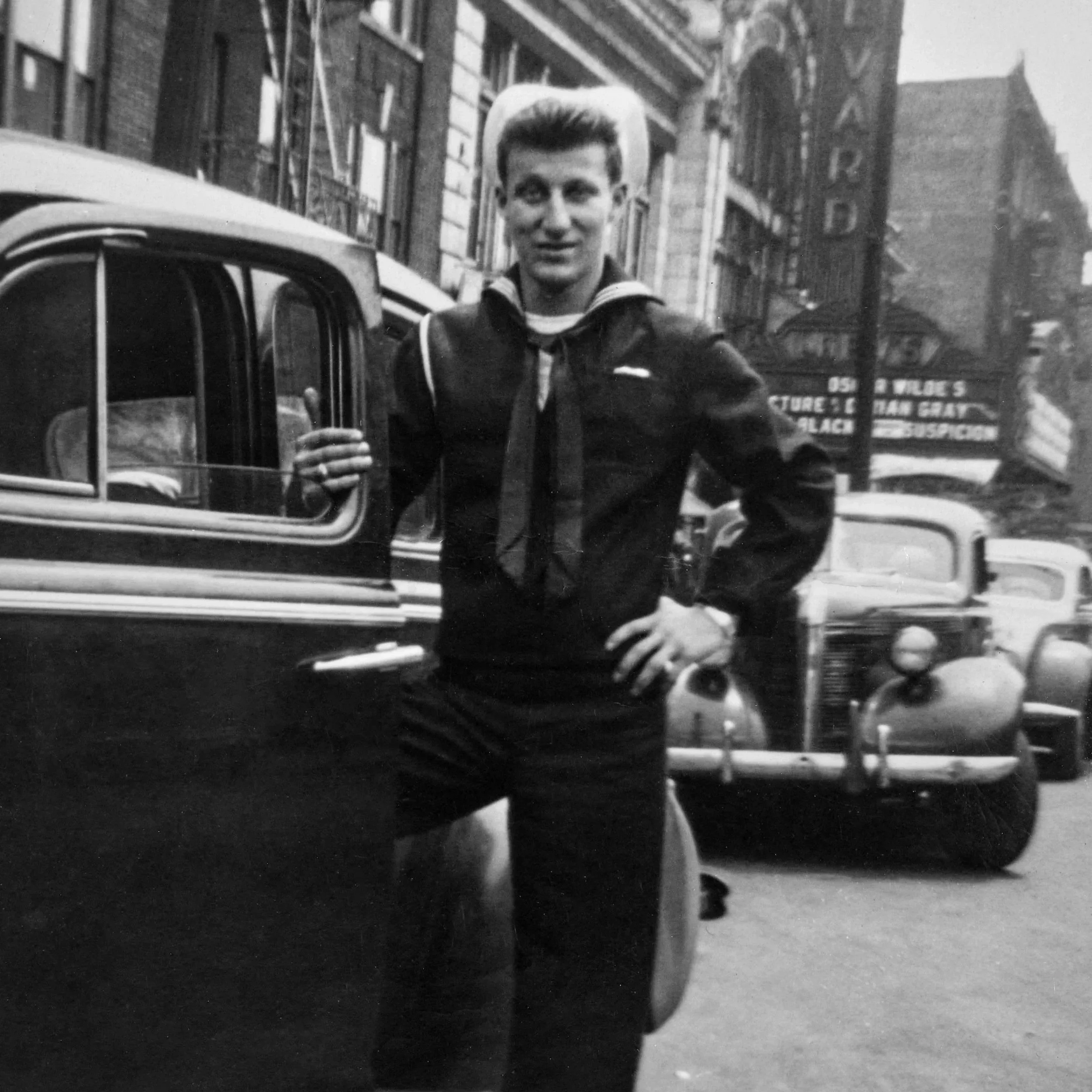
An image of a sailor during the Korean War, c. 1950s
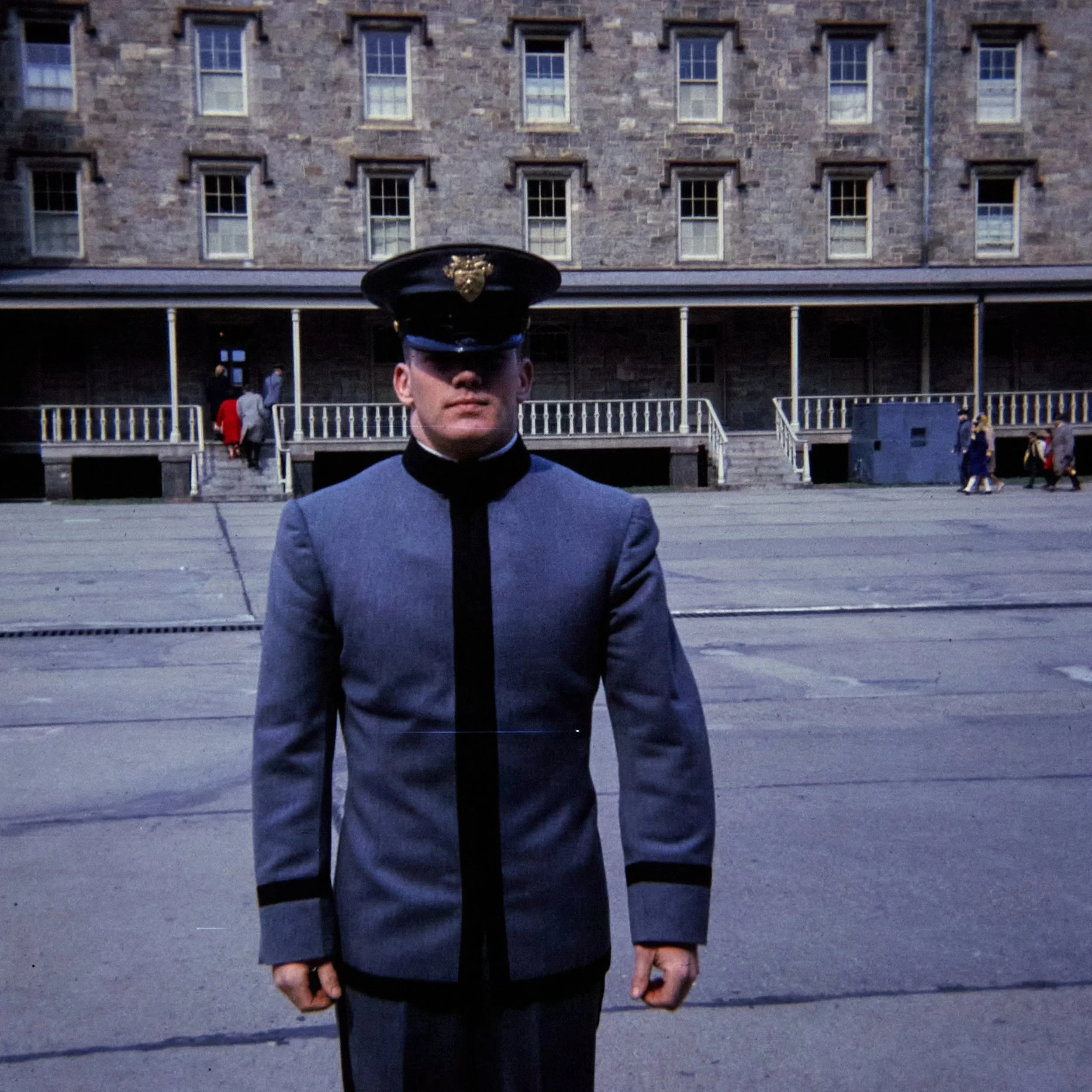
A Marine Corps Cadet at West Point, United States Military Academy, c. 1960s
Understanding the realities of war, patriotism, sacrifice, displacement, protest, and survival helps us build empathy and perspective. Family history gives shape to global history in a way textbooks never can.
When we know what our grandparents endured, what choices they faced, and what they hoped for, history stops being abstract and it becomes personal. And when history becomes personal, it becomes harder to repeat the same mistakes.
Honoring military service does not require glorifying war. In fact, many veterans would likely ask us to do the opposite: to remember its human cost honestly. A thoughtful Memorial Day can hold both gratitude and reflection. We can honor courage while also believing deeply in peace, diplomacy, human rights, and the value of every life touched by conflict.
One of the most meaningful ways to honor a loved one’s service is to preserve their story for future generations. Here are some ways to do just that.
Gather and Digitize Photographs of Service
Military portraits, candid snapshots, deployment photos, reunion pictures, and images from home front life all help tell the story. Scan prints, negatives, slides, and albums at high resolution so they can be safely preserved and easily shared with family members. You can read more about sorting and editing photos here.
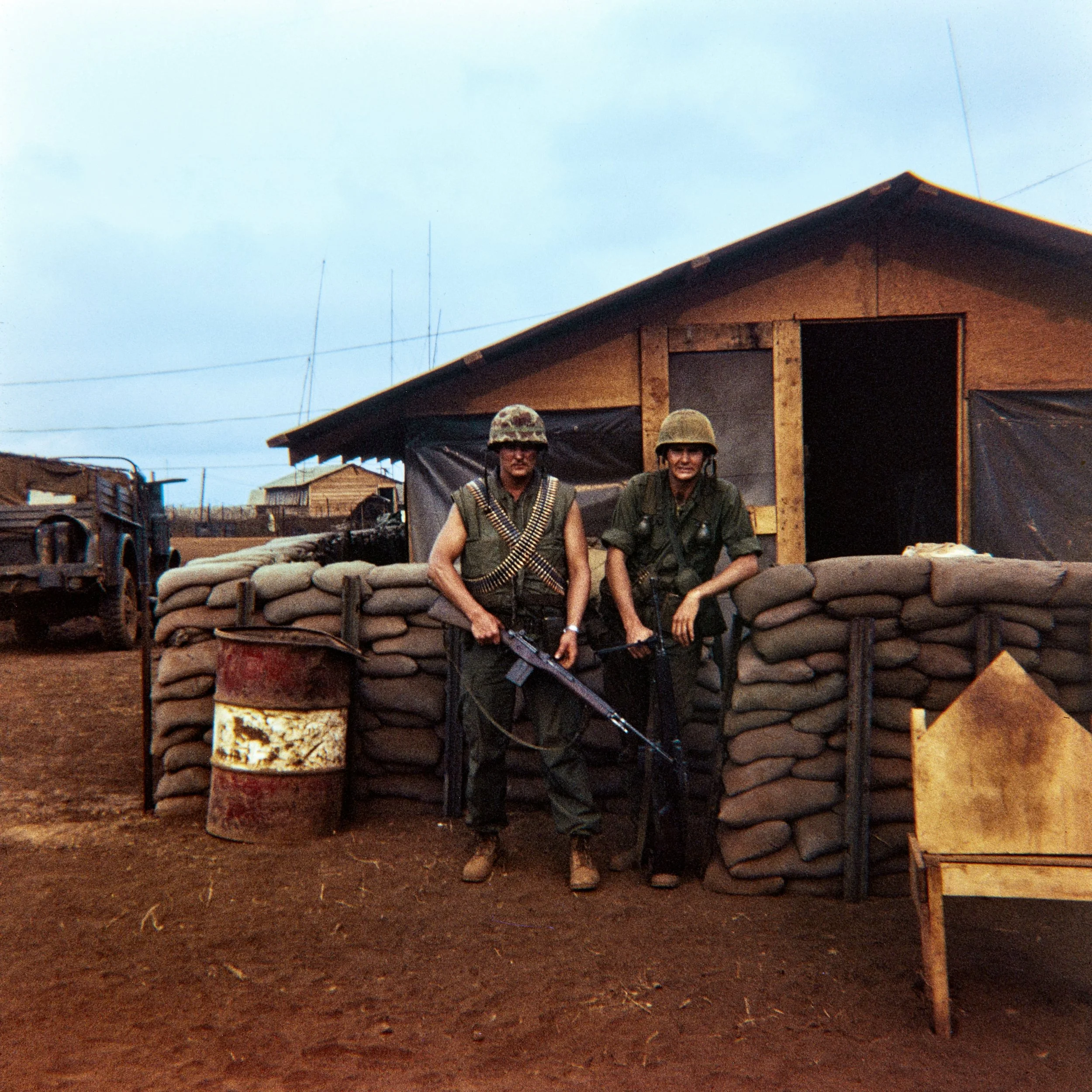
Khe Sanh, Vietnam. c. 1970s
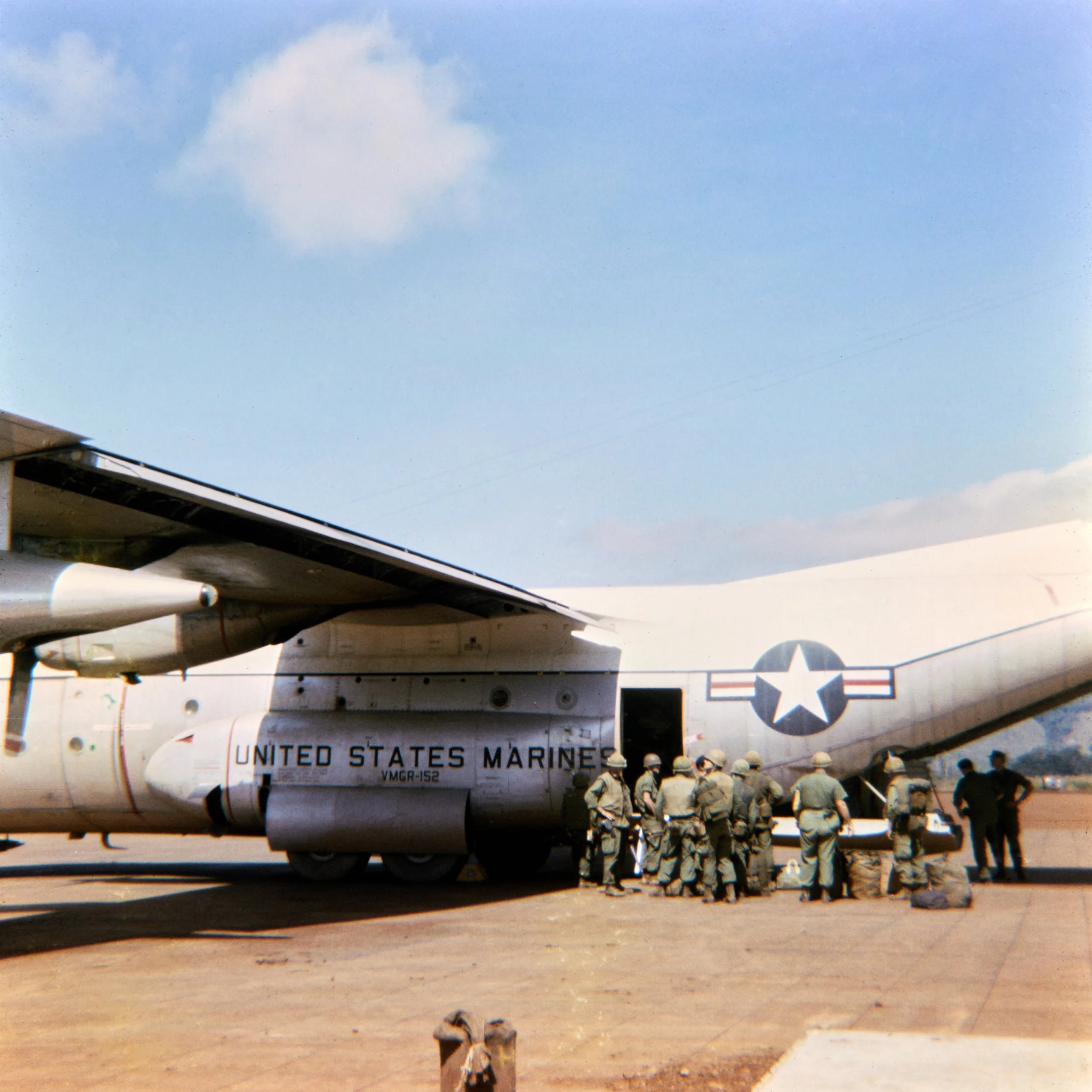
Khe Sanh, Vietnam. c. 1970s
Preserve Letters and Personal Papers from Military Service
Letters home, journals, telegrams, discharge papers, ration books, military IDs, and service records often contain the most personal details. These materials provide context that future generations may never learn otherwise.
Store originals in archival-safe folders and boxes, away from heat, light, and humidity. Digitizing them also makes it easier to share stories across the family. You can read more about digitizing personal papers here.
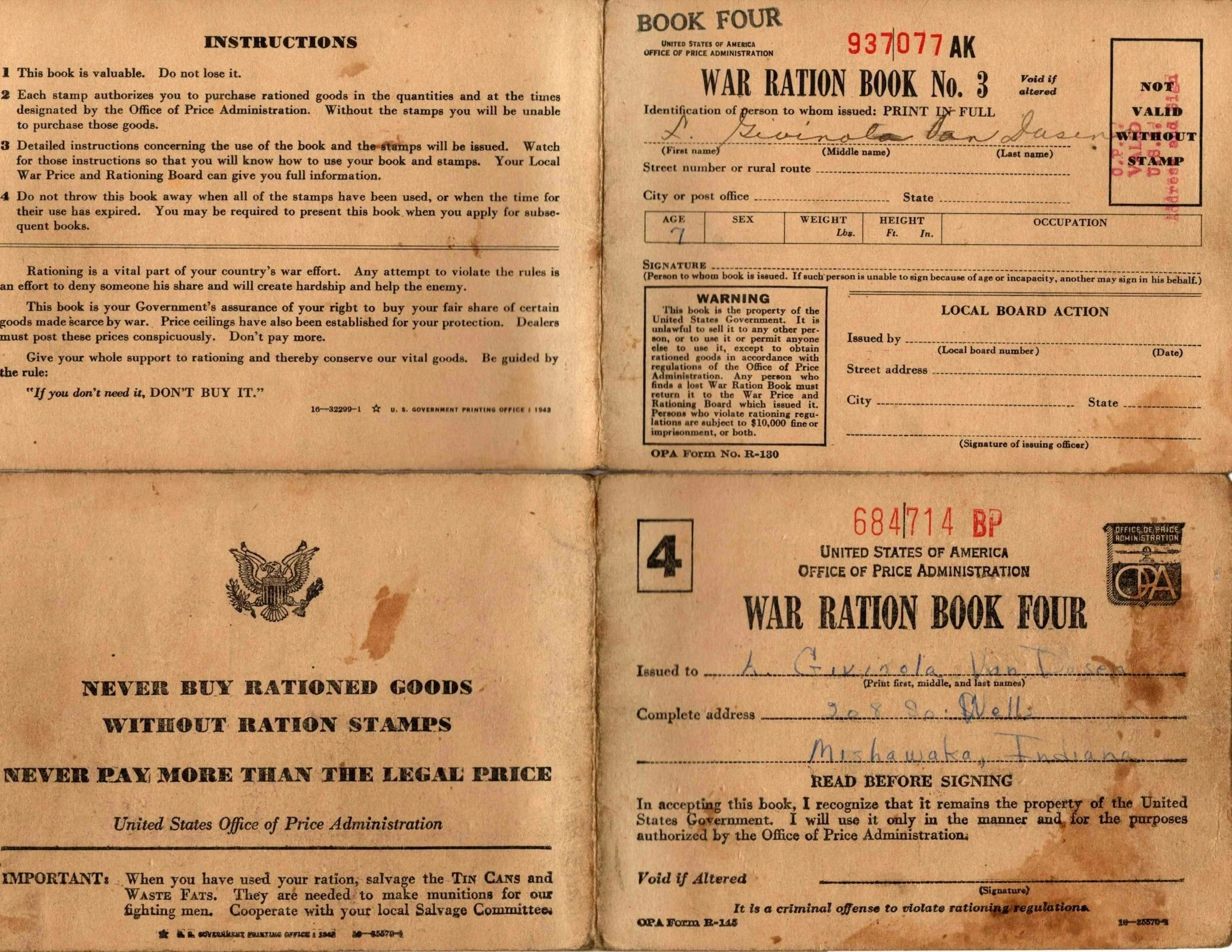
War Ration Books from World War II.
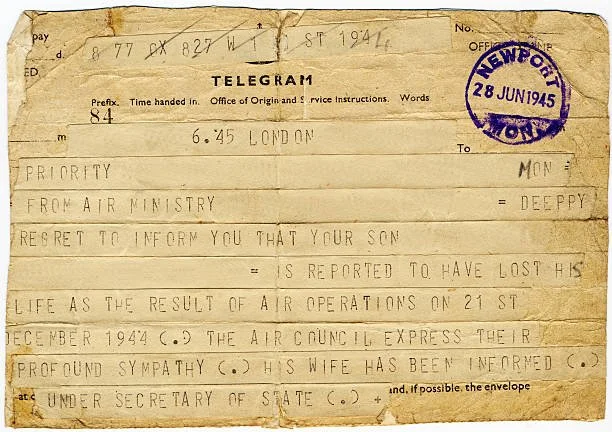
World War II Telegram
Record Oral Histories of Service Members
Many veterans and family members never wrote down their experiences, but they may still be willing to talk about them. Record conversations with parents, grandparents, aunts, uncles, or family friends. Ask open-ended questions:
What do you remember most?
What was daily life like?
Who did you serve with?
What did you miss from home?
How did your experiences change you afterward?
Even short recordings can become treasured family history. You can read more about recording oral histories here.
Preserve Military Memorabilia Thoughtfully
Uniforms, medals, patches, maps, dog tags, and newspapers are powerful artifacts. Use archival storage materials whenever possible, and avoid framing items with acidic materials or exposing them to direct sunlight.
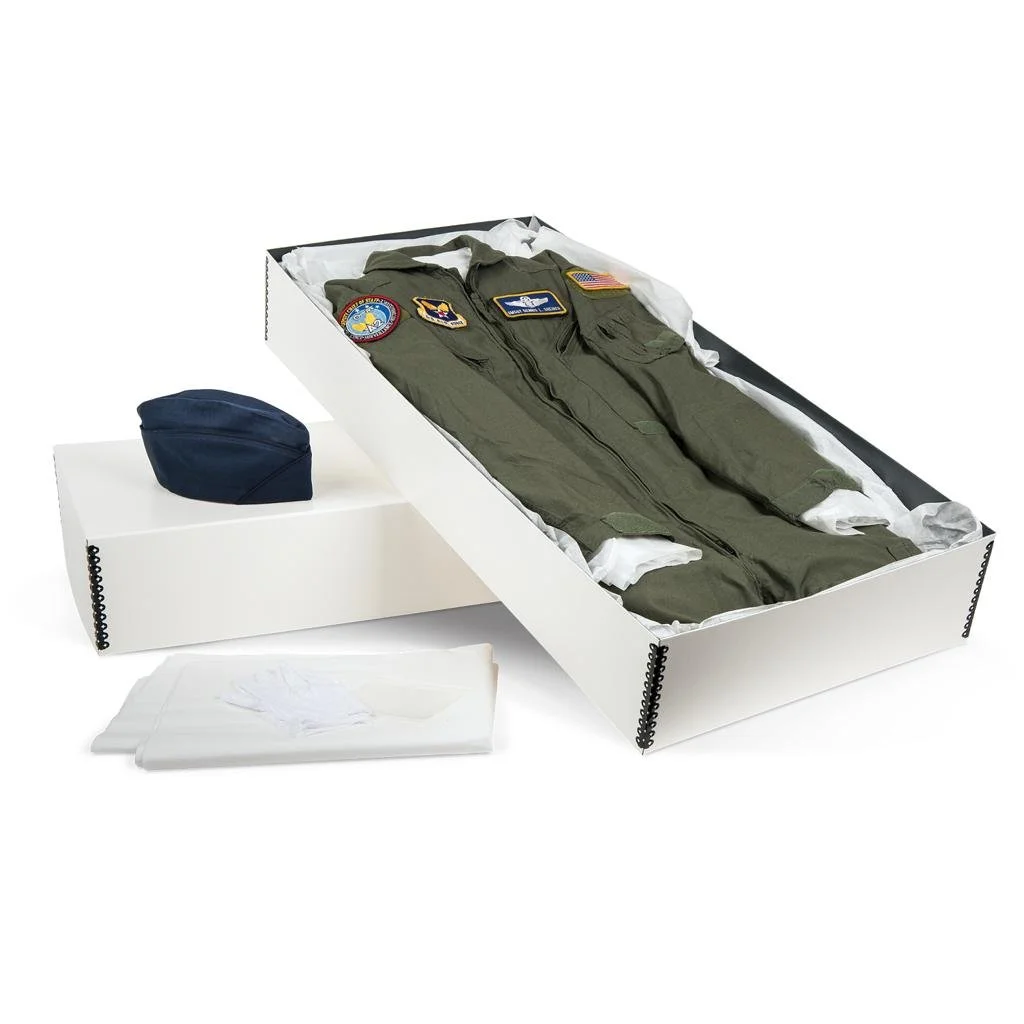
Gaylord Archival® DuraShield™ Uniform & Suit Preservation Kit
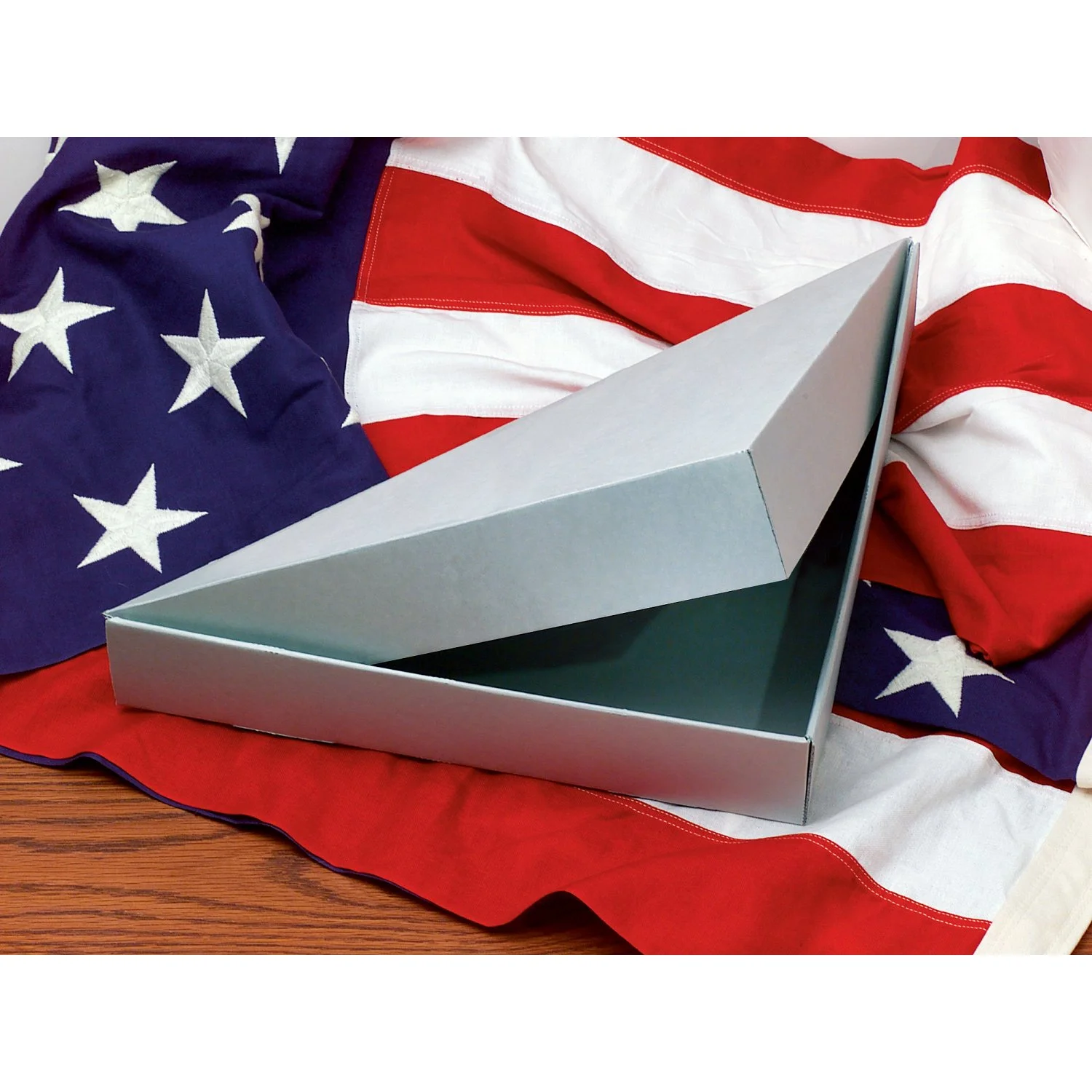
Gaylord Archival® E-flute Clamshell Flag Box
Research the Broader Story of Your Family’s Service
Military records, census records, draft registrations, ship logs, and local newspaper archives can help fill in missing details. Sometimes families discover entire chapters of history they never knew existed.
Research can also provide important historical context. Understanding where a loved one served and what was happening in the world at the time helps younger generations connect personal stories to larger history.
Create Something Shareable to Honor Your Family Member
A photo book, printed timeline, memorial slideshow, digital archive, or recorded family history interview can transform scattered materials into something future generations will actually engage with.
The goal is not perfection. The goal is preservation.
Remembering Their Service Is an Act of Care
Every family archive tells a human story. Not just of war, but of survival, migration, love, grief, protest, resilience, and hope for something better.
This Memorial Day, consider spending a little time with your family history. Pull out the boxes from the closet. Ask questions. Label photographs. Scan a few letters. Write down names before they are forgotten.
If your family has military photographs, medals, letters, uniforms, slides, film reels, or recorded memories tucked away in boxes, now is the time to preserve them before they fade further with age. Every item holds part of a story that deserves to be remembered and shared.
At The Family Archivists, we help families preserve and organize their history through photo scanning, video digitization, archival organization, legacy projects, oral history preservation, and family archive creation. Whether you have a single box of memorabilia or generations of materials to sort through, we believe these stories matter.
This Memorial Day, honor your family’s service by making sure their memories, and the lessons they carry, are preserved for the generations still to come.