Preserving Childhood: One School Year at a Time
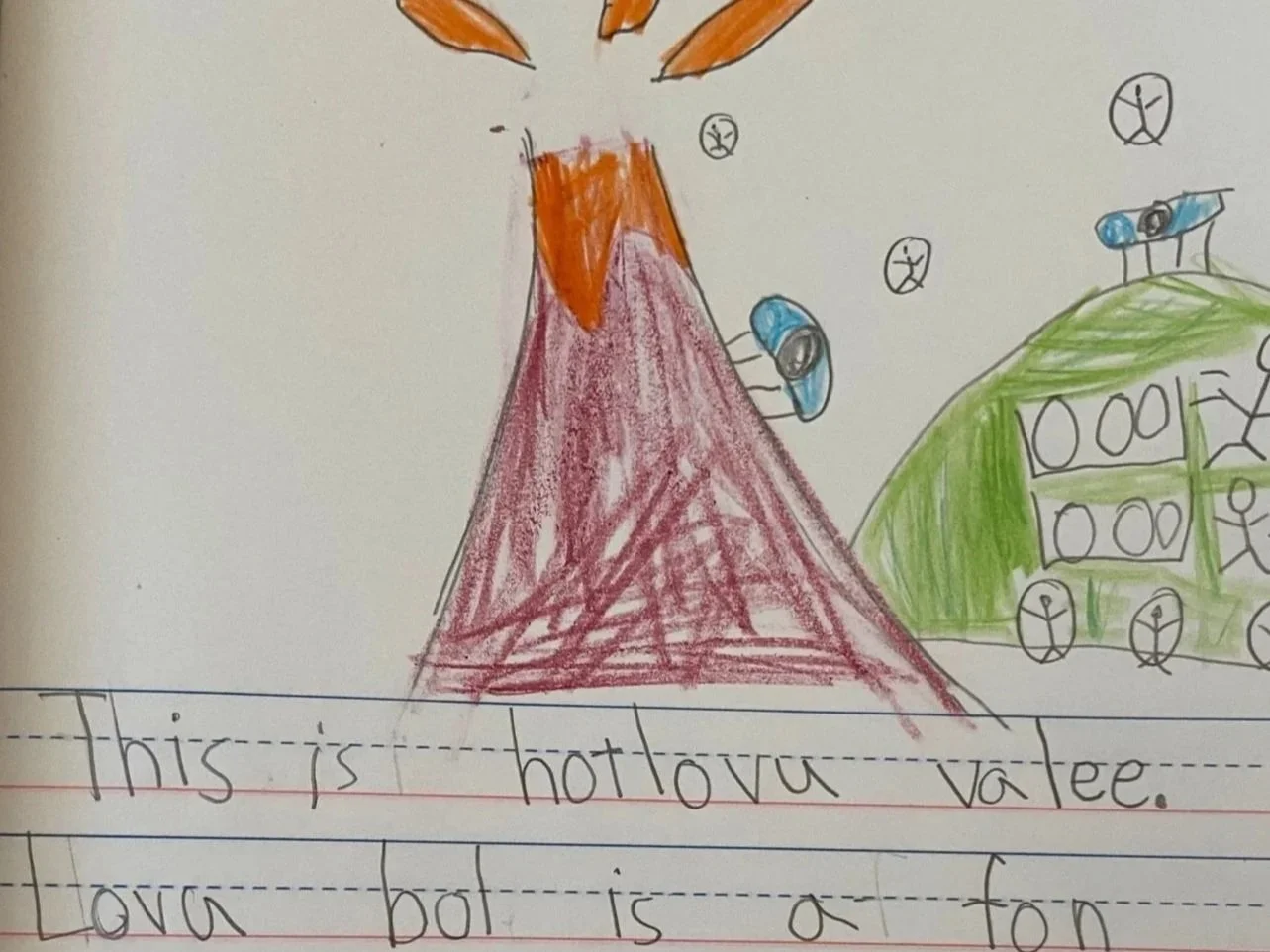
As the school year comes to a close, many parents find themselves facing the same dilemma: What do you do with all the papers?
You are looking at piles of report cards, artwork, writing assignments, certificates, science fair ribbons, and school photos and before you know it, you're staring into the void wondering what deserves to be saved and what can be let go.
For many families, the default solution is to put everything into a box. Then another box. And another. Years later, when a child is preparing to leave for college or move into their own home, those boxes have multiplied into a mountain of paper that feels impossible to tackle.
At that point, many parents face an unfortunate choice: spend countless hours sorting through years of accumulated papers or simply throw much of it away because the task feels too overwhelming.
There is a better approach.
Create an Annual End-of-School-Year Curating Tradition
Instead of allowing school papers to accumulate indefinitely, consider setting aside time at the end of each school year to review, digitize, and preserve the most meaningful items.
Think of it as an annual family archive day.
By handling one year's worth of materials at a time, the project remains manageable. You're making decisions while the memories are still fresh, and you're preventing decades of accumulation from turning into an overwhelming future project. The process doesn't need to take all weekend. In many cases, a few focused hours can make a tremendous difference.
Not every piece of paper needs to be saved. Before digitizing anything, sort materials into three categories:
Digitize and Keep: Items that capture milestones, achievements, personality, or growth.
Examples include:
Report cards
Awards and certificates
School portraits
Special artwork
Creative writing assignments
Letters from teachers
Projects that showcase interests or accomplishments
Digitize and Let Go: Items that have sentimental value but don't necessarily need to occupy physical space forever.
Examples might include:
Routine artwork
Everyday classroom assignments
Worksheets that illustrate developmental milestones
Recycle: Items with little long-term value, such as duplicate handouts, permission slips, or routine classroom paperwork.
Remember: preserving memories is not the same thing as preserving every piece of paper.
Digitize School Papers Before the Pile Grows Out of Control
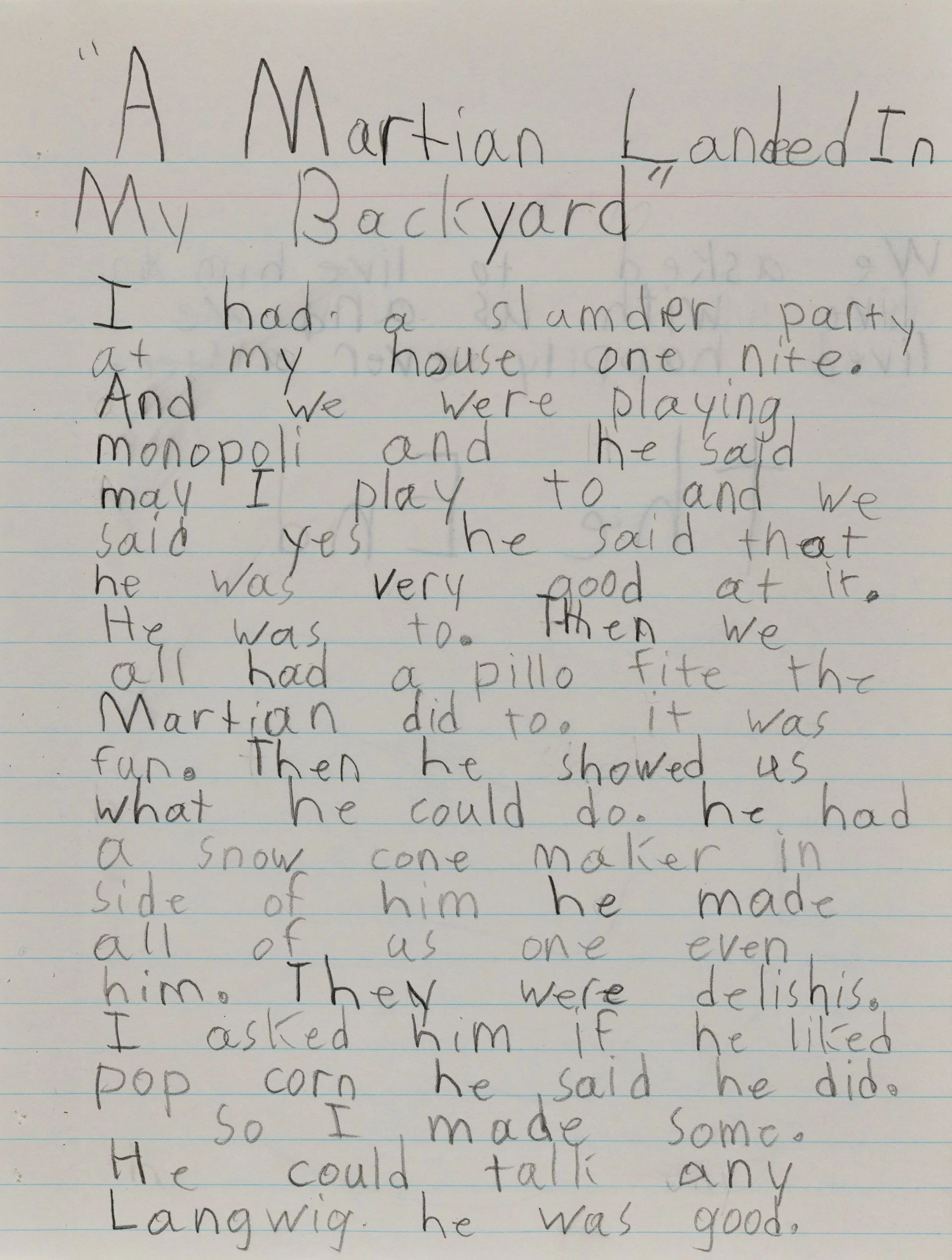
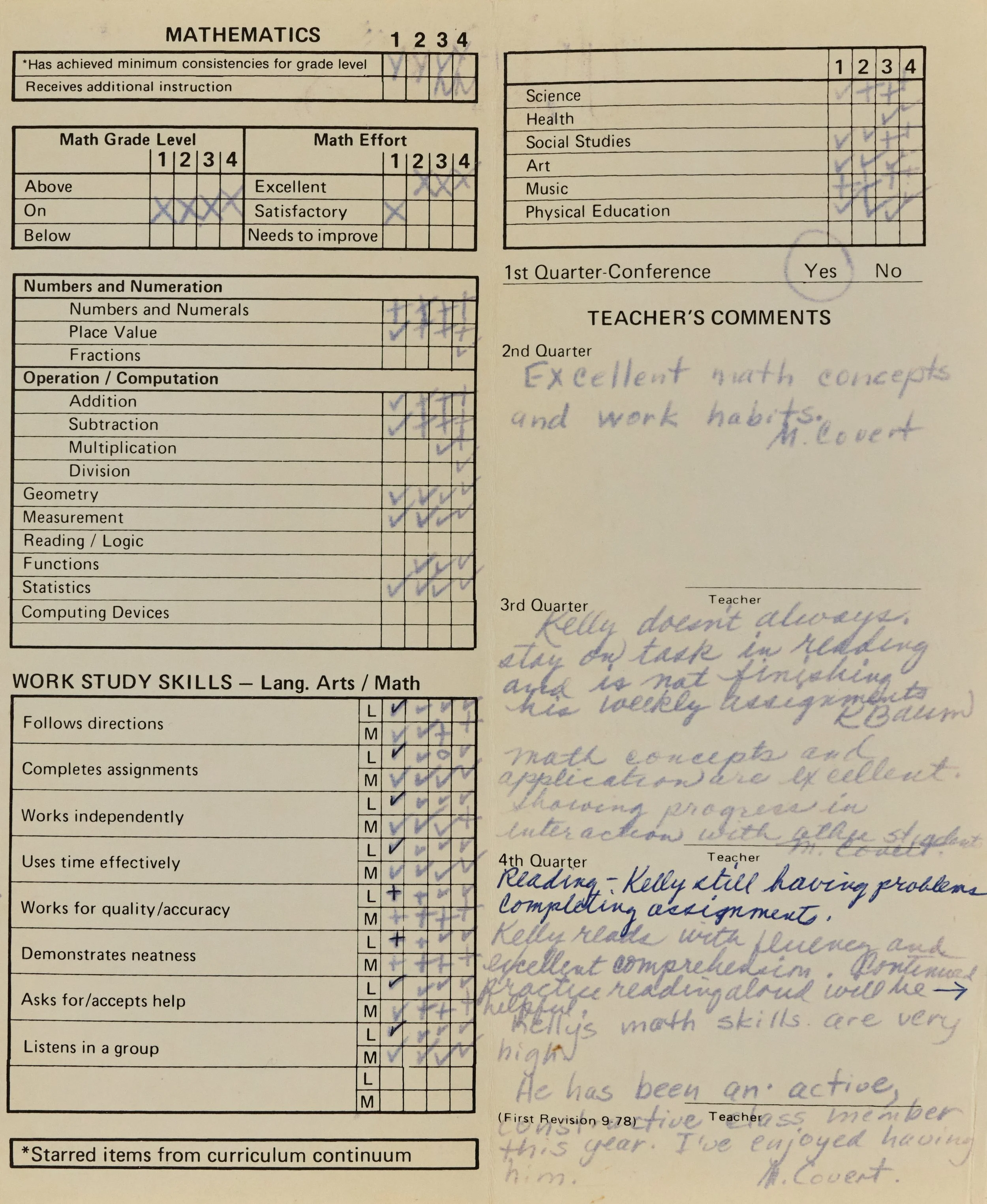
Once you've selected what to keep, digitize the materials. Scanning creates several benefits:
Protects against loss or damage
Makes items searchable and accessible
Allows easy sharing with family members
Reduces physical storage needs
Creates a long-term digital archive
Organize files by child and school year, such as:
Emma
2025-2026 Kindergarten
2026-2027 First Grade
Or use a file naming convention that works for your family, such as:
2026_Report_Card.pdf
2026_Self_Portrait.jpg
2026_Science_Fair_Certificate.pdf
The goal is consistency, not perfection. You can read more about digitizing children’s artwork in this blog article.
Use Archival Preservation Materials for the Originals That Matter Most
What do you save after scanning? The items that matter most to you and your family.
This may be a favorite drawing, a particularly meaningful report card, a graduation certificate, or a handwritten note from a teacher. These items often carry emotional significance that a digital copy cannot fully replace.
For those special pieces, consider transferring them into archival-quality storage. Archival folders, sleeves, and boxes help protect documents from:
Light damage
Dust
Acid migration
Physical wear and tear
By storing only the most meaningful originals, you dramatically reduce the volume of paper while still preserving important artifacts from your child's life.
Don't Forget to Preserve the Three-Dimensional Memories
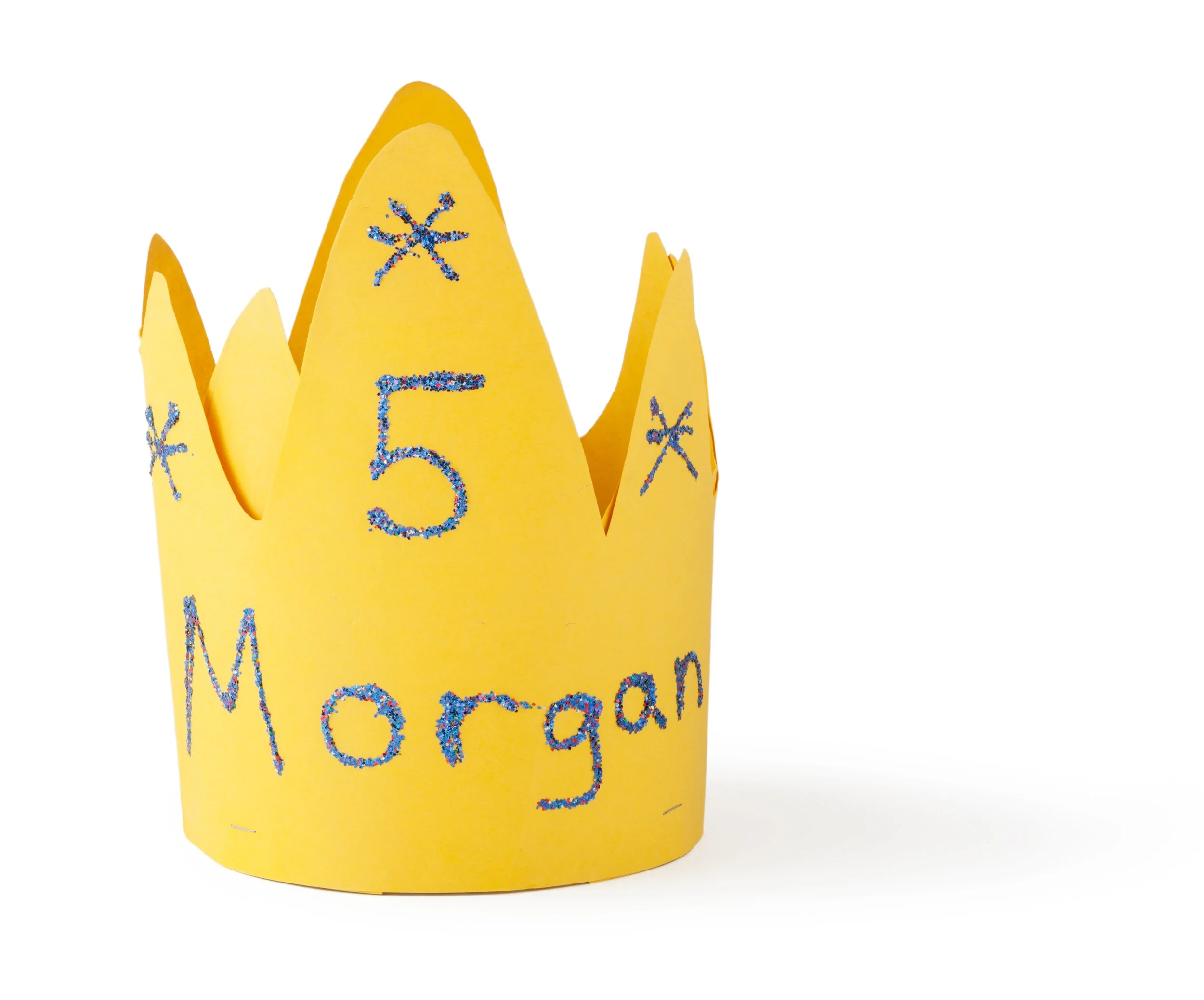
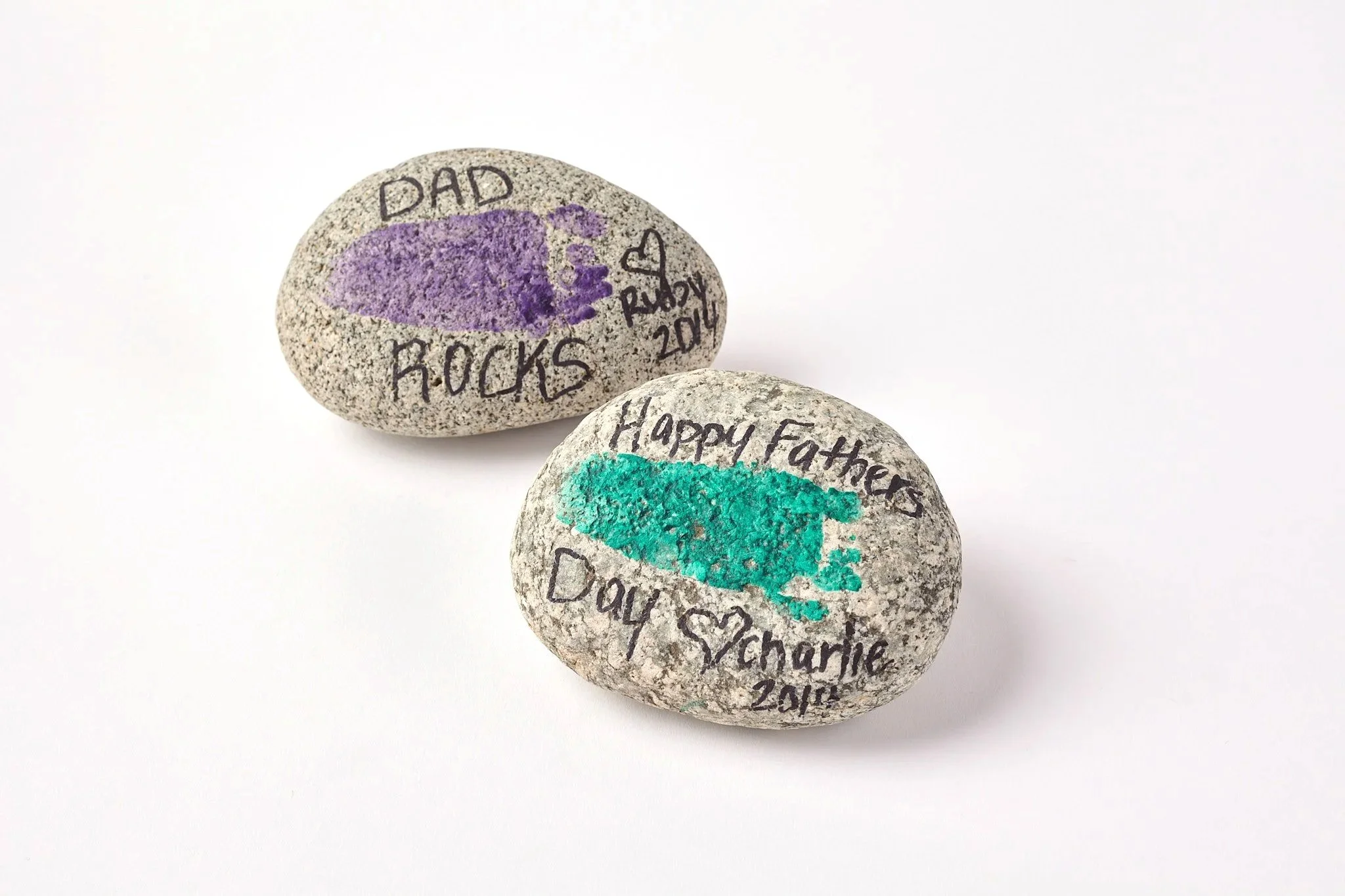
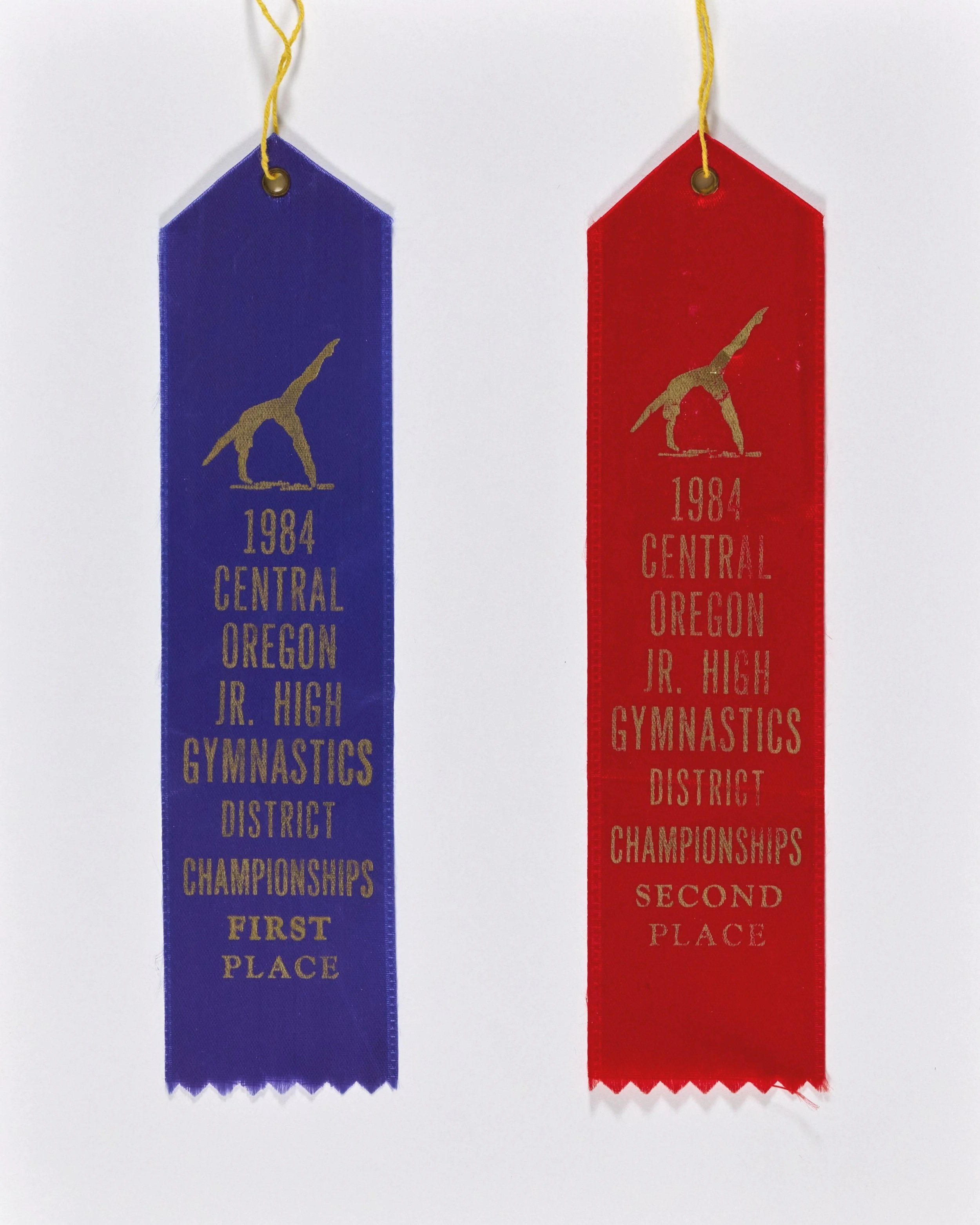
School memories aren't limited to paper. Over the years, children often accumulate a collection of three-dimensional keepsakes as well—trophies, medals, ribbons, science fair projects, art sculptures, pinewood derby cars, music recital awards, and other objects that represent important milestones.
These items can be especially difficult to store. They take up space, are often fragile, and can quickly fill shelves, closets, and storage bins. That doesn't mean every item needs to be kept forever.
One effective solution is to photograph these objects before making decisions about what to retain physically. A well-lit photograph can preserve the memory, appearance, and significance of an item while dramatically reducing the amount of space required to store it.
Consider photographing:
Trophies and medals
Sports awards
Science fair projects
Art sculptures and ceramics
Robotics projects
Music and theater memorabilia
Special classroom creations
For especially meaningful items, photograph them from multiple angles and include close-up images of any engraved plaques, handwritten labels, or identifying details.
You can even take the documentation a step further by recording a short story about the item. Ask your child questions such as:
What was this award for?
What do you remember about earning it?
Why was this project important to you?
What was your favorite part of creating it?
These stories often become more valuable than the object itself.
Of course, some items may deserve permanent preservation. A championship trophy, a state-level award, or a particularly meaningful handmade object might earn a place in your family's archival collection. But for many keepsakes, a high-quality photograph allows you to preserve the memory without feeling obligated to store every physical object indefinitely.
As with school papers, making these decisions annually prevents a future scenario where dozens of boxes of childhood memorabilia become so overwhelming that meaningful items get overlooked—or discarded altogether.
Small Efforts Compound Over Time When it Comes to Your Family Archive
The real benefit of this approach becomes apparent years later.
Imagine two families. One family spends two hours each June reviewing, scanning, and preserving school materials. The other family places everything into storage boxes and plans to "deal with it someday."
Fast forward twelve years.
The first family has a well-organized collection of digital files and a compact archival box containing their child's most treasured school memories. The second family has dozens of boxes and a project so large that it feels impossible to begin.
The difference isn't time. It's consistency.
Family archives are rarely created in a single weekend. They are built through small, thoughtful decisions made over many years.
By turning end-of-school-year paper management into an annual habit, you preserve the stories, achievements, and creativity that matter most while avoiding the overwhelming accumulation that so many families face.
A little effort each year means your children's memories remain accessible, organized, and protected—ready to be enjoyed for decades to come.
And perhaps most importantly, you'll never have to face that giant mountain of school papers wondering where to begin.
Looking for Help Getting Started with Preserving Your Child’s School Memories?
Feeling overwhelmed by years of school papers, artwork, and childhood keepsakes? You don't have to tackle it alone.
At The Family Archivists, we help families preserve the memories that matter most through digitization, organization, archival storage solutions, and custom photo books. Whether you're looking to create a manageable annual routine or need help sorting through decades of accumulated memories, we're here to help transform clutter into a meaningful family archive.
Contact us today to learn how we can help preserve your family's story for generations to come.